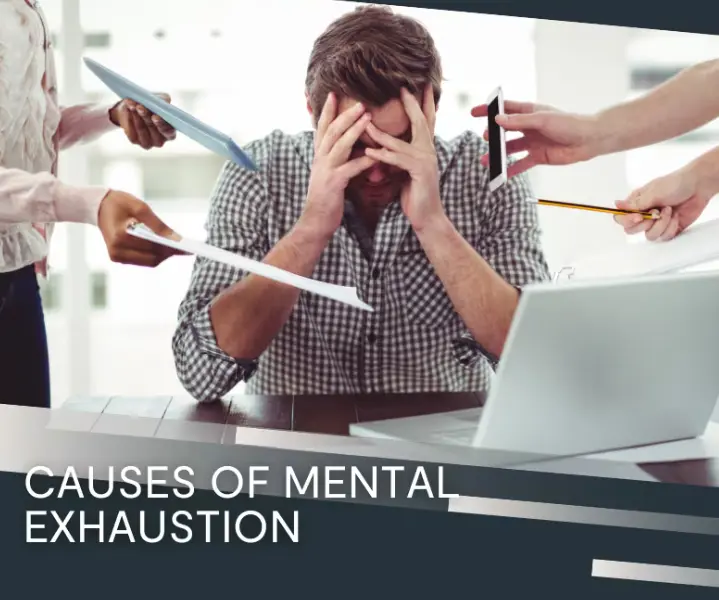
Arjun was the most dependable person on his team. He answered every message, attended every meeting, and never said no. Then one morning he sat at his desk and could not type a single word. Not because he did not care. Because he had given everything he had, and there was nothing left.
Why the Most Dedicated Professionals Are the First to Burn Out
Burnout does not happen to people who are careless. It happens to people who care deeply. The ones who push through fatigue, who take on one more task when the list is already full, who quietly carry the weight of a team without ever asking for support.
Arjun had been working in a demanding corporate role for four years. He prided himself on being reliable. But reliability without rest is not a strength. Over time it becomes a slow leak that drains everything quietly, until one day there is nothing left to give.
Burnout does not arrive all at once. It builds slowly over months, disguised as tiredness, then irritability, and finally a numbness that even a full weekend of sleep cannot fix.
The people most likely to burn out are often the ones least likely to admit it.
What Burnout Actually Feels Like From the Inside
Most people expect burnout to feel dramatic. It does not. It feels like waking up already tired. It feels like looking at a calendar full of meetings and experiencing something close to despair. It feels like doing your job on autopilot while feeling completely disconnected from why any of it matters.
You might start snapping at people you love over small things. You might find yourself forgetting details you never used to miss. Sunday evenings might begin to feel heavy in a way you cannot quite explain.
Arjun described it this way: "I was still doing everything. I was still showing up. But it felt like watching myself from a distance. Like I was a character in my own life and someone else was pressing the buttons."
That sense of detachment is one of the clearest signs that burnout has taken hold. And it matters because it means the problem is no longer about workload. It is about losing your connection to yourself.
Burnout often looks like someone still functioning. The emptiness is on the inside.
"Burnout is not a personal failure. It is what happens when a person who cares deeply is given no space to recover."
How to Begin Recovering Without Overhauling Your Entire Life
Recovery from burnout does not require a sabbatical or a career change. It begins with something far simpler and far harder at the same time. It begins with honesty.
When Arjun finally told his manager he was struggling, he expected to be seen as weak. Instead, his manager said: "I noticed something was off weeks ago. I was waiting for you to say something." That conversation changed everything. Not because anything at work changed overnight, but because Arjun stopped pretending he was fine when he was not.
From there, recovery came gradually. He started protecting his sleep the same way he protected important deadlines. He began taking short walks during lunch instead of eating at his desk. He started saying no to requests that were not genuinely urgent, and saying yes to time with people who made him feel like himself again.
None of these were dramatic changes. But together they created something that had been missing for a long time. Space for his mind to breathe.
Recovery is built from small, consistent choices made every single day.
The One Belief That Keeps Professionals Stuck in Burnout
The single biggest obstacle to recovering from burnout is the belief that rest must be earned. That you can only slow down once the project is done, once the quarter is over, once things settle down. But things rarely settle down on their own. And the body does not wait forever.
Arjun told me months after his recovery began: "I used to treat rest like a reward. Now I treat it like a responsibility. The same way I would never skip an important meeting, I do not skip time that lets my mind recover."
That shift in thinking is available to every professional reading this right now. You do not need permission to take it seriously. Your mental wellness is not a luxury sitting at the bottom of your priority list. It is the foundation that makes everything above it possible.
The most productive thing you can do right now might not be answering one more message. It might be closing your laptop and giving your mind the rest it has been quietly asking for.
You Deserve to Feel Like Yourself Again
Mindalgo is built for professionals who are ready to take their mental wellness as seriously as their careers. Start with just 10 minutes a day.